Decoding Digital Payment Barriers Across Global Casino Markets from Brazil to Japan
Written by Olivia Long · Aug 23, 2026
Decoding Digital Payment Barriers Across Global Casino Markets from Brazil to Japan
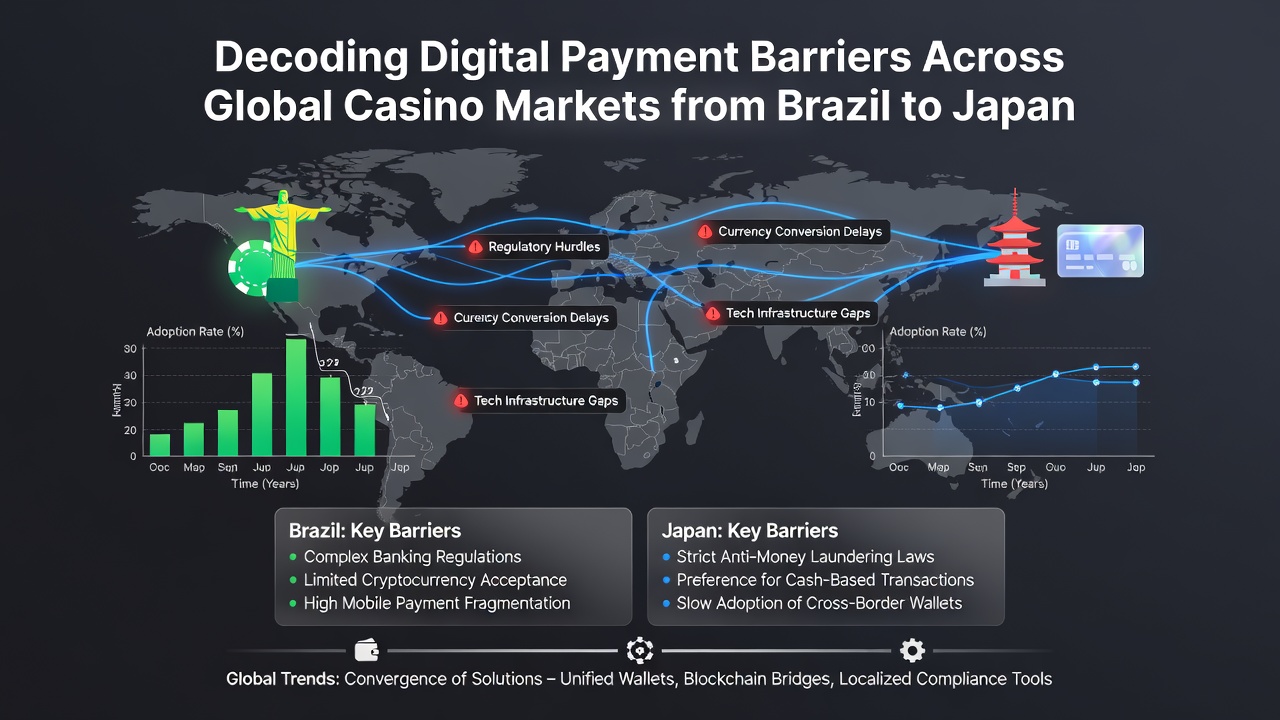
Digital payment systems in casino markets face distinct obstacles shaped by local regulations, banking infrastructure, and currency policies, and observers note these challenges vary sharply from Brazil's evolving framework to Japan's tightly controlled environment. Data from international financial reports indicates that operators must navigate everything from instant payment rails to strict foreign exchange controls, while emerging technologies like digital wallets and cryptocurrencies encounter inconsistent acceptance across borders.
Brazil's Payment Landscape and Regulatory Framework
Brazilian casino operators contend with a patchwork of rules where the Pix instant payment system has gained traction for domestic transfers, yet cross-border casino transactions often stall due to central bank restrictions on gambling-related flows. Figures from the Brazilian Central Bank reveal that while Pix processed over 40 billion transactions in recent years, platforms offering international casino access still rely on workarounds involving prepaid cards or third-party processors because direct bank integrations remain limited. Researchers at regional economic institutes have documented how currency volatility adds another layer, prompting many users to seek stablecoin alternatives that face scrutiny under anti-money laundering statutes updated through 2025.
Shifting Dynamics in Other Latin American Markets
Markets such as Argentina and Mexico present parallel issues where high inflation drives preference for dollar-linked digital assets, although banking institutions frequently block merchant category codes tied to gaming. Studies conducted by Latin American trade associations show that operators in these regions report rejection rates exceeding 30 percent for standard credit card deposits, leading to greater reliance on local e-wallets that impose higher fees. Those who've examined transaction data across 2024 and 2025 observe gradual adoption of open banking protocols that could ease some friction, particularly as regulators align with broader digital finance initiatives scheduled for rollout phases in mid-2026.
European Variations and Compliance Pressures
Across European jurisdictions outside the United Kingdom, payment barriers stem from the Second Payment Services Directive and varying national interpretations of gambling exclusions. Data compiled by the European Gaming and Betting Association highlights that SEPA transfers work reliably for intra-EU casino activity, but operators serving players from multiple countries must maintain separate licensing entities to avoid account freezes triggered by automated compliance checks. What's interesting is how some markets have begun integrating instant bank transfer solutions that reduce processing times from days to seconds, according to industry benchmarks released in early 2026.
Asian Markets from India Through China to Japan
India's regulatory stance on online gaming continues to evolve at the state level, where the Reserve Bank of India's guidelines on digital lending and payments create indirect barriers for casino platforms by restricting certain recurring transaction patterns. Reports from South Asian economic research centers indicate that users frequently turn to UPI-based solutions or cryptocurrency exchanges, though enforcement actions against unlicensed operators have intensified since late 2025. In China, strict capital controls and the prohibition on most foreign gambling sites mean that payment channels remain largely underground, with analysts tracking virtual private network usage alongside offshore wallet services that evade domestic monitoring systems.
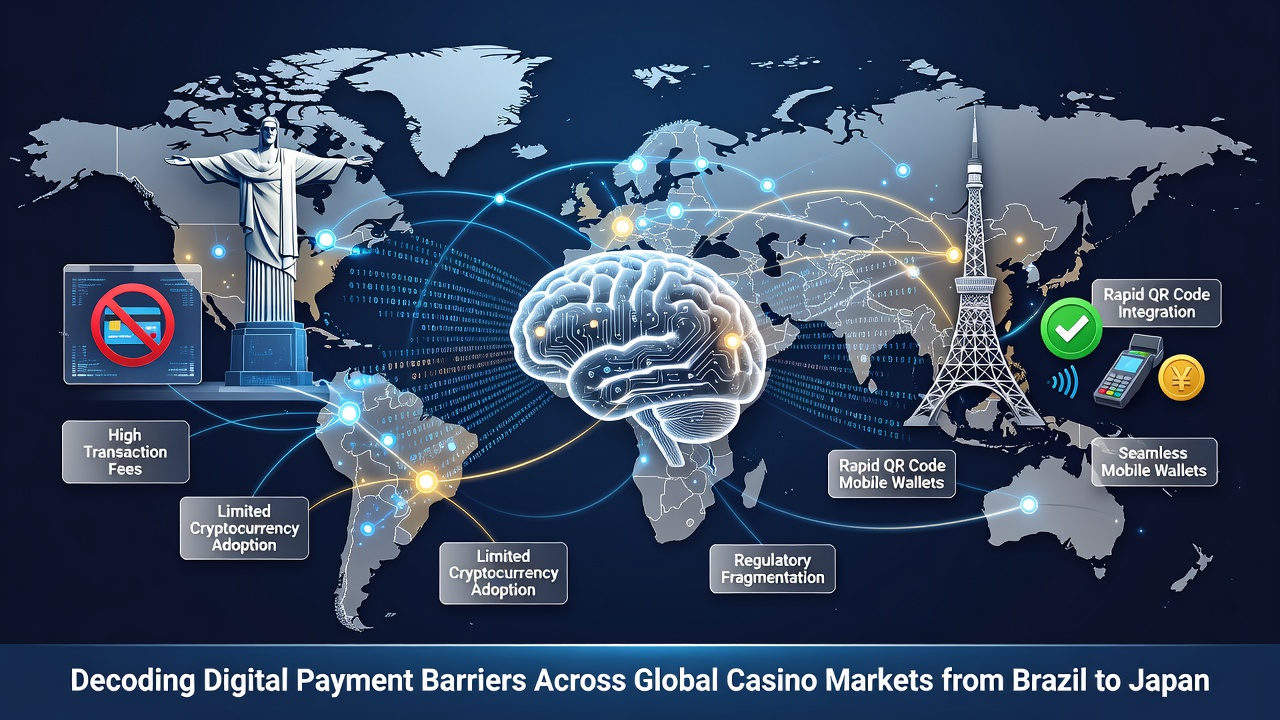
Japan's integrated resort legislation, which took effect with the first casino openings, imposes rigorous know-your-customer requirements and limits foreign currency inflows through authorized financial institutions only. The Financial Services Agency has outlined procedures that require casino payment processors to partner exclusively with licensed Japanese banks, a rule that has slowed onboarding for international visitors while domestic players rely on cash or limited electronic options. Observers tracking developments ahead of August 2026 note that forthcoming amendments to the Act on Prevention of Transfer of Criminal Proceeds may further standardize verification steps, potentially streamlining some flows but raising compliance costs for smaller operators.
Common Barriers and Emerging Solutions
Across these regions, recurring obstacles include mismatched regulatory classifications for gambling versus entertainment, inconsistent support for cryptocurrencies, and banking sector reluctance to handle high-risk merchant codes. Research published by global payment analytics firms shows that transaction failure rates in restricted markets can reach 25 to 40 percent during peak periods, prompting many platforms to deploy multi-layered routing that switches between local rails and offshore gateways. Experts at academic centers studying financial technology have identified blockchain-based settlement pilots in Brazil and pilot programs in Japan that could reduce settlement times, although scalability remains constrained by existing legal definitions of virtual assets.
Those monitoring industry reports emphasize that collaboration between regulators and payment providers has produced incremental improvements, such as expanded acceptance of digital IDs for verification in several Asian jurisdictions. Yet the reality is that full interoperability across borders continues to lag behind technological capabilities, leaving operators to balance speed, cost, and compliance on a market-by-market basis.
Conclusion
Payment barriers in casino markets from Brazil to Japan reflect a complex interplay of local banking rules, currency policies, and evolving digital infrastructure that shapes accessibility for both operators and players. As regulatory updates approach in August 2026 and new technologies gain testing ground, the landscape continues to shift in measurable ways documented by financial authorities and industry research groups. Understanding these specific constraints allows for clearer assessment of where current systems succeed and where friction persists across global casino operations.