Examining How Language Localization Shapes User Retention Rates in Online Casinos Serving Diverse International Audiences
Written by Katja Coleman · Aug 25, 2026
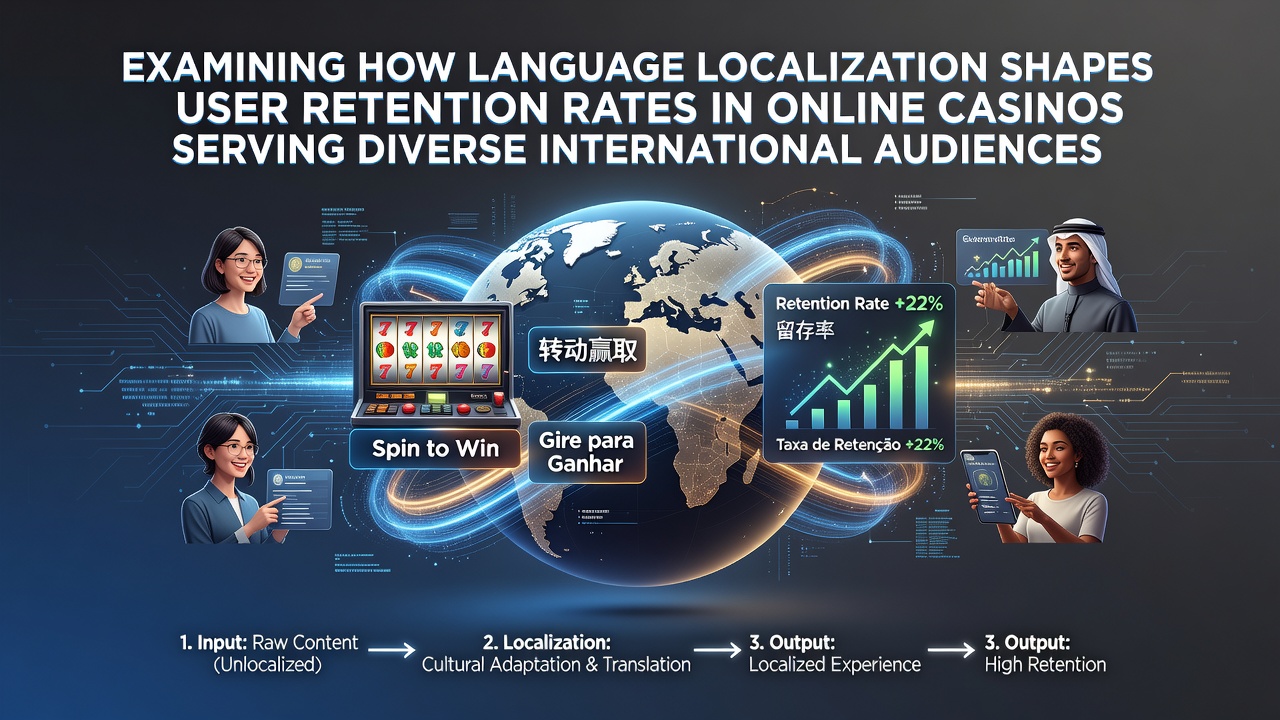
Examining How Language Localization Shapes User Retention Rates in Online Casinos Serving Diverse International Audiences
Language localization in online casinos involves adapting interfaces, game content, customer support, and promotional materials to match the linguistic and cultural preferences of players from specific regions, and this process directly influences how long users remain active on platforms that serve international audiences. Data collected across multiple markets shows that when casinos provide full localization in a player's native language, retention metrics improve because users encounter fewer barriers during navigation and interaction.
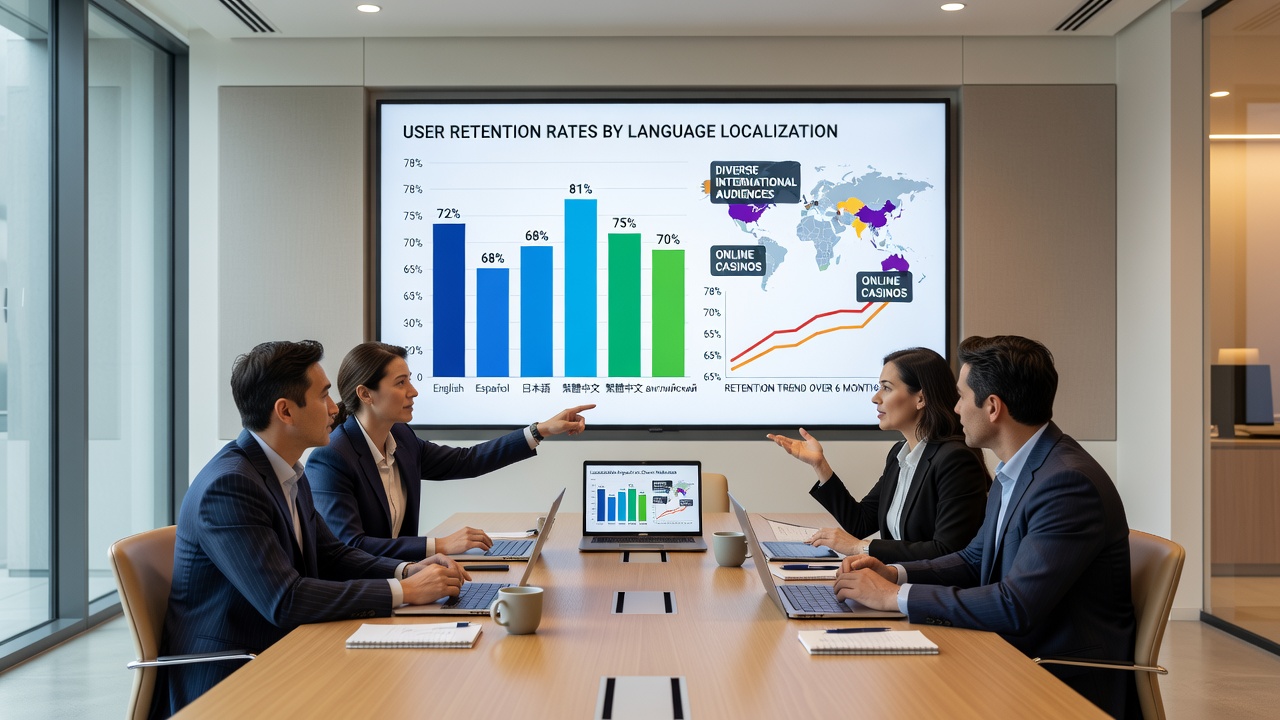
Studies tracking player behavior indicate that platforms offering support in languages such as Mandarin, Spanish, Portuguese, and Arabic see higher return rates compared to those limited to English or a handful of major European tongues. Observers note that retention drops sharply once players encounter untranslated terms in payment sections or game rules, prompting them to switch to competitors that better accommodate their linguistic needs.
Core Elements of Effective Localization
Effective localization extends beyond simple translation to include currency displays, date formats, local payment methods, and culturally relevant bonus structures that align with regional expectations. Researchers have documented cases where casinos adjusted jackpot announcements and loyalty programs to reflect local idioms, resulting in sustained engagement from audiences in Latin America and Southeast Asia. Those who examined user logs found that localized chat support reduced session abandonment during disputes or technical issues, since players could communicate without relying on external translation tools.
August 2026 marked a period when several major operators expanded their localization teams to cover emerging markets in Africa and Eastern Europe, and subsequent reports linked these expansions to measurable lifts in monthly active users from those territories. Figures from industry analyses reveal that casinos investing in real-time translation engines maintained higher retention among mobile users who frequently switch between languages based on device settings.
Regional Patterns in Retention Data
Markets in Asia demonstrate clear correlations between comprehensive language support and prolonged player activity, particularly where operators integrated traditional Chinese characters alongside simplified versions and offered dedicated Mandarin-speaking agents. Similar patterns appear in Brazil, where Portuguese localization that incorporated local slang and regulatory terminology kept users engaged longer than generic translations. European operators serving Scandinavian audiences have reported parallel outcomes when they prioritized Swedish, Norwegian, and Danish interfaces with accurate regulatory disclosures.
One study revealed that retention rates in non-English markets rose when casinos added audio cues and subtitles in native languages for live dealer games, and this adjustment proved especially effective for players who preferred spoken instructions over text. Data indicates that incomplete localization, such as untranslated terms of service or bonus conditions, leads to higher churn because users feel uncertain about rules and withdraw funds earlier than planned.
Technical and Operational Considerations
Operators must balance automated translation systems with human oversight to preserve accuracy in high-stakes areas like wagering requirements and responsible gambling messages. Those who've tracked implementation timelines note that phased rollouts, starting with high-traffic languages, allow platforms to measure retention gains before expanding further. Evidence suggests that integrating localization into the initial platform design reduces long-term costs compared to retrofitting existing sites for new markets.
Regulatory bodies in multiple jurisdictions now require clear language availability disclosures, and compliance with these rules has become a baseline for maintaining licenses in regions outside traditional English-dominant markets. Singapore's Gambling Regulatory Authority publishes guidelines on player communication standards that emphasize linguistic accessibility, while academic reviews from institutions in Canada highlight how localized content affects trust and repeat visits among multicultural player bases.
Challenges in Scaling Localization
Scaling localization across dozens of languages introduces complexities around dialect variations and regulatory terminology that differ even within the same country. Platforms serving both European and Latin American Spanish speakers, for instance, must maintain separate glossaries to avoid confusion over terms related to bonuses or withdrawals. Research indicates that players abandon sites more quickly when they encounter mixed-language elements that disrupt the sense of a seamless, native experience.
Turnout data from international tournaments and seasonal promotions shows stronger participation when event details appear in localized formats, and operators who coordinate these efforts with regional marketing teams achieve better alignment between language support and player acquisition channels. What's interesting is how smaller operators sometimes outperform larger ones by focusing resources on fewer languages but delivering higher quality translations and support availability.
Conclusion
Language localization functions as a measurable driver of user retention in online casinos that target diverse international audiences, with evidence drawn from retention metrics, regulatory compliance records, and operational case studies across continents. Platforms that prioritize accurate, culturally attuned adaptations in multiple languages sustain longer player lifecycles, while those that neglect these elements experience elevated churn. Continued monitoring of retention trends in August 2026 and beyond will clarify how emerging technologies and regulatory shifts further shape these dynamics in global markets.